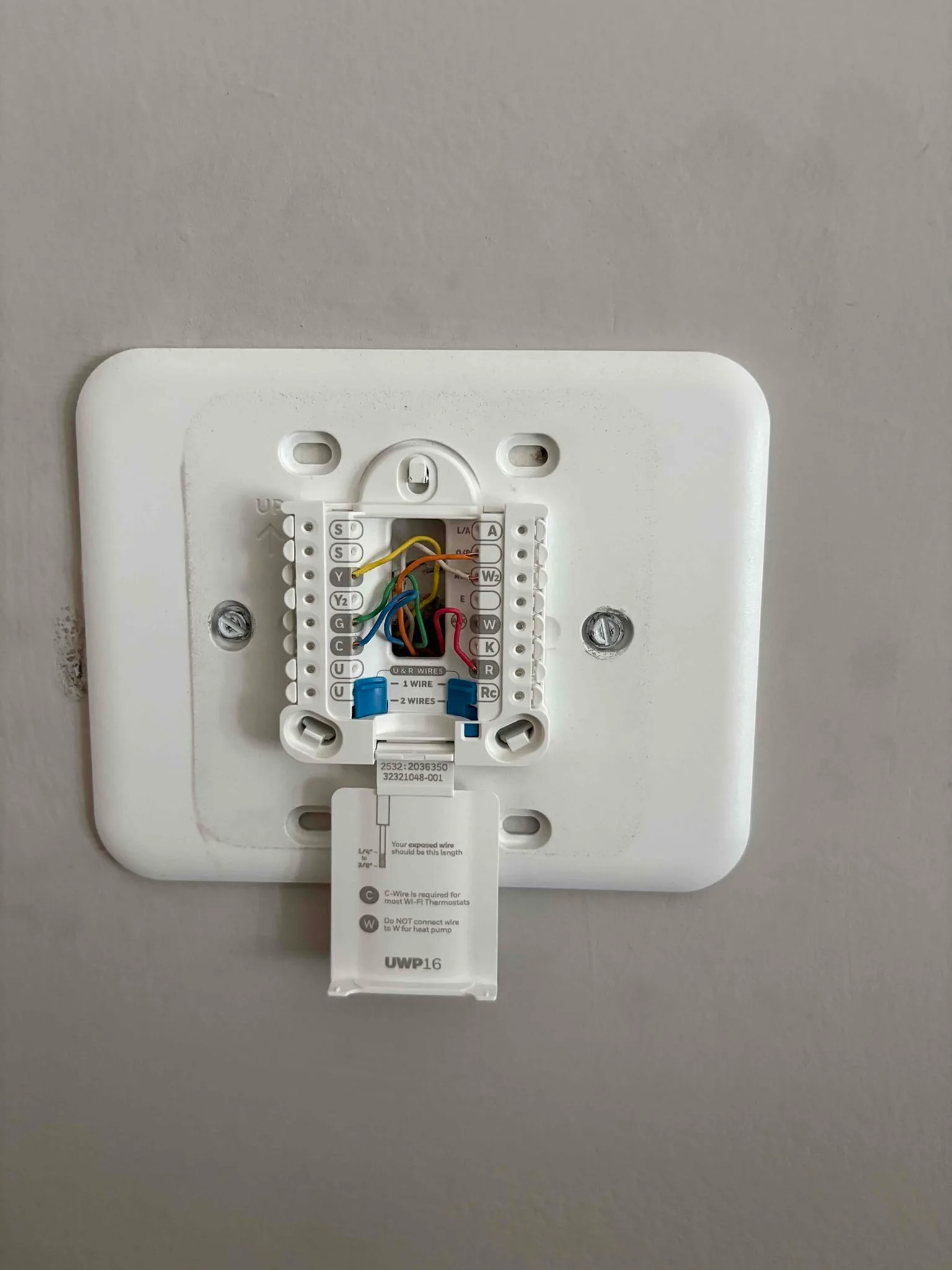
If your heater just stopped working, do three quick checks before you call for emergency heat repair. Check your thermostat: make sure it's set to heat and the temperature is set above the current room temp. Check your circuit breaker panel for a tripped breaker. And if you have a gas furnace, check that the gas valve near the unit is in the open position. These checks solve a fair share of "no heat" calls.
If none of that fixes it, you need a technician. And depending on the temperature outside, you may need one fast.
Why Speed Matters in the Triangle
Triangle winters are deceptive. We don't get the sustained Arctic cold that the Midwest sees, but nights in the 20s are common from December through February, and some cold snaps drop into the teens. When the temperature inside your home drops below 55°F, your pipes start getting into the danger zone. Below 32°F in uninsulated crawl spaces or attic lines, they can freeze and burst.
A burst pipe from a heating failure turns an HVAC problem into a plumbing emergency and a potential water damage claim. Getting heat restored quickly protects your home as well as your comfort.
What to Do While You Wait for Repair
- Close off rooms you don't need. Hang blankets over doorways if needed. Concentrate your household into the smallest livable space.
- If you have a fireplace, use it. Even a gas fireplace can keep one room above 60°F.
- Open cabinet doors under kitchen and bathroom sinks to let warm air reach pipes, especially on exterior walls.
- Run faucets at a slow drip: both hot and cold lines. Moving water is harder to freeze.
- If the temperature is dropping fast and repair is hours away, consider shutting off the water and draining your water lines. We can walk you through this over the phone.
Do NOT use your oven for heat. Every winter, North Carolina sees carbon monoxide incidents from people running gas ovens with the door open. It's not worth the risk. If you smell gas, leave the house and call 911 from outside.
Most Common Causes of Sudden Heat Failure
When our techs arrive on emergency calls, here's what they find most often:
Ignition failure is a big one. Modern furnaces use hot surface igniters, a small silicon carbide or silicon nitride element that glows red-hot to light the gas. These igniters crack and fail without warning. A cracked igniter means your furnace tries to start, can't light, and locks out after a few attempts. This is a relatively quick, affordable repair.
Blower motor failures are another. The blower motor pushes heated air through your ducts. When it fails, the furnace may fire but no warm air reaches your vents. You might hear the furnace running but feel nothing at the registers. Sometimes a capacitor replacement gets the motor running again. Other times the motor itself has burned out.
Thermostat malfunctions are common too. A dead thermostat battery, a wiring issue, or a thermostat that's lost its programming can all shut down your system. This is often the easiest and cheapest fix.
For heat pumps, which are common in Apex, Cary, and Holly Springs, common no-heat failures include a failed capacitor or contactor in the outdoor unit, a defrost control problem, low refrigerant, or a stuck reversing valve. The reversing valve switches the system between heating and cooling mode. When it sticks in cooling, your heat pump may blow cool air instead of warm. The system is running, the outdoor unit is working, but you're getting AC instead of heat. Not ideal in January.
What Our Emergency Diagnostic Covers
Our $49 diagnostic for new customers is a full system evaluation. We find the problem and also check related components that may have been stressed by the failure. When an igniter fails and the furnace cycles repeatedly trying to start, that puts extra wear on the gas valve, control board, and flame sensor. We check all of it so you're not calling us back in two weeks for a related failure.
We respond within 60 minutes and our technicians are available 24/7, including holidays. We carry the most common repair parts on our trucks: igniters, capacitors, flame sensors, and thermostat components. That means most repairs are completed on the first visit.
Heat Pump Emergency vs. Furnace Emergency
If you have a heat pump with electric auxiliary heat strips, a heat pump failure isn't always a full emergency. Your system may switch to auxiliary heat automatically, which will keep your home warm but costs significantly more per hour to run. Check your thermostat. If it says "AUX" or "EM HEAT" is on, you have backup heat running. You still need a repair, but you have time to schedule during normal hours and save on an emergency service fee.
If you have a gas furnace and it stops producing heat, you don't have a backup. That's a true emergency when temperatures are low.
Preventing Future Emergencies
Many heating emergencies we respond to could have been caught with a fall tune-up. A cracked igniter shows signs before it fully breaks. A weak capacitor can be tested. Low refrigerant in a heat pump can be found and fixed in October instead of discovered at midnight in January. We offer a $49 heating tune-up specifically designed to catch these failure points before they leave you without heat.