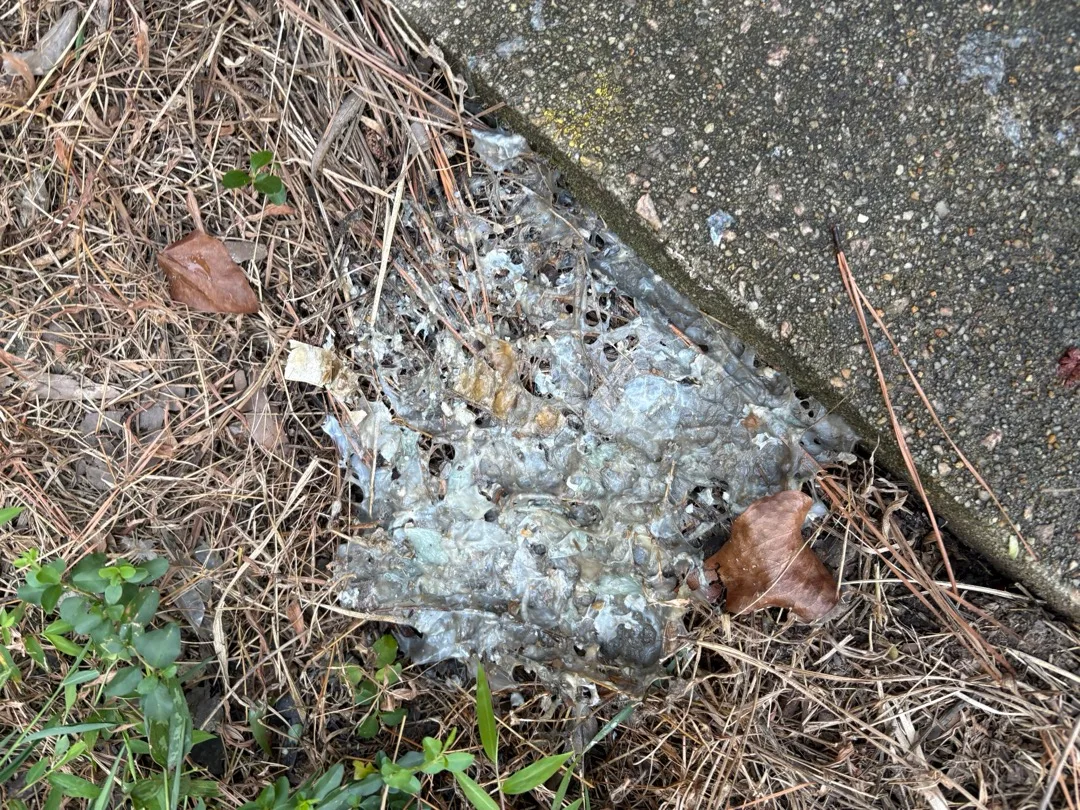
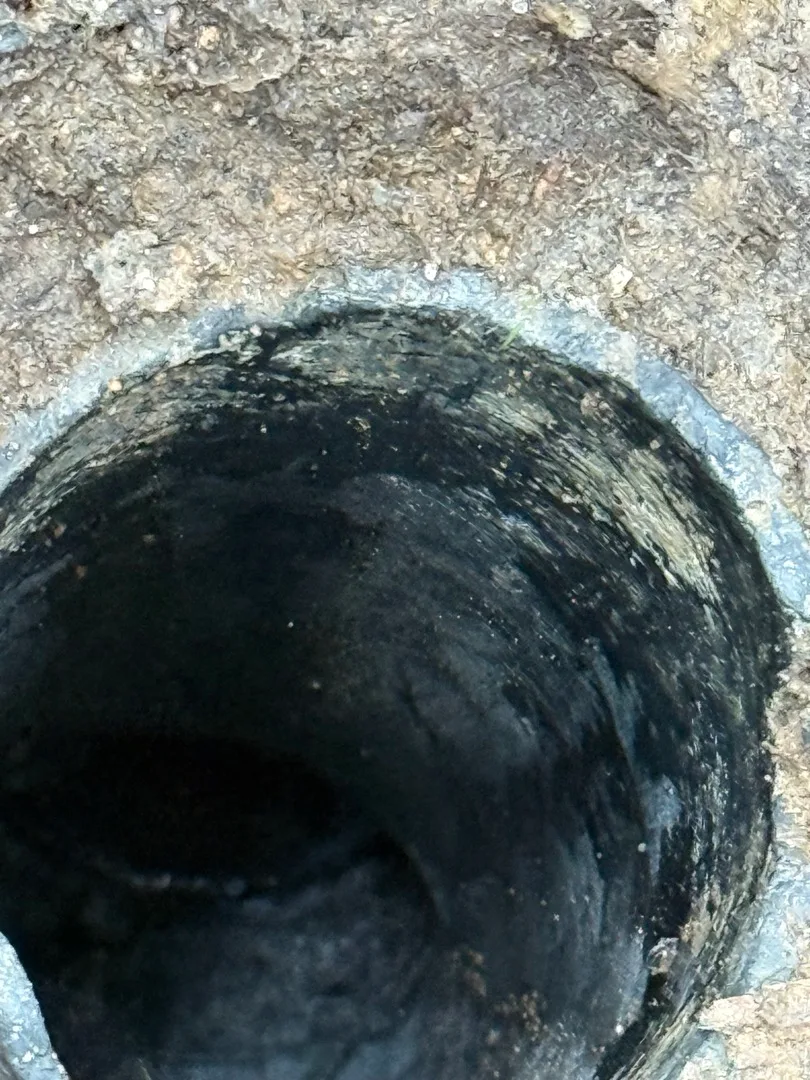
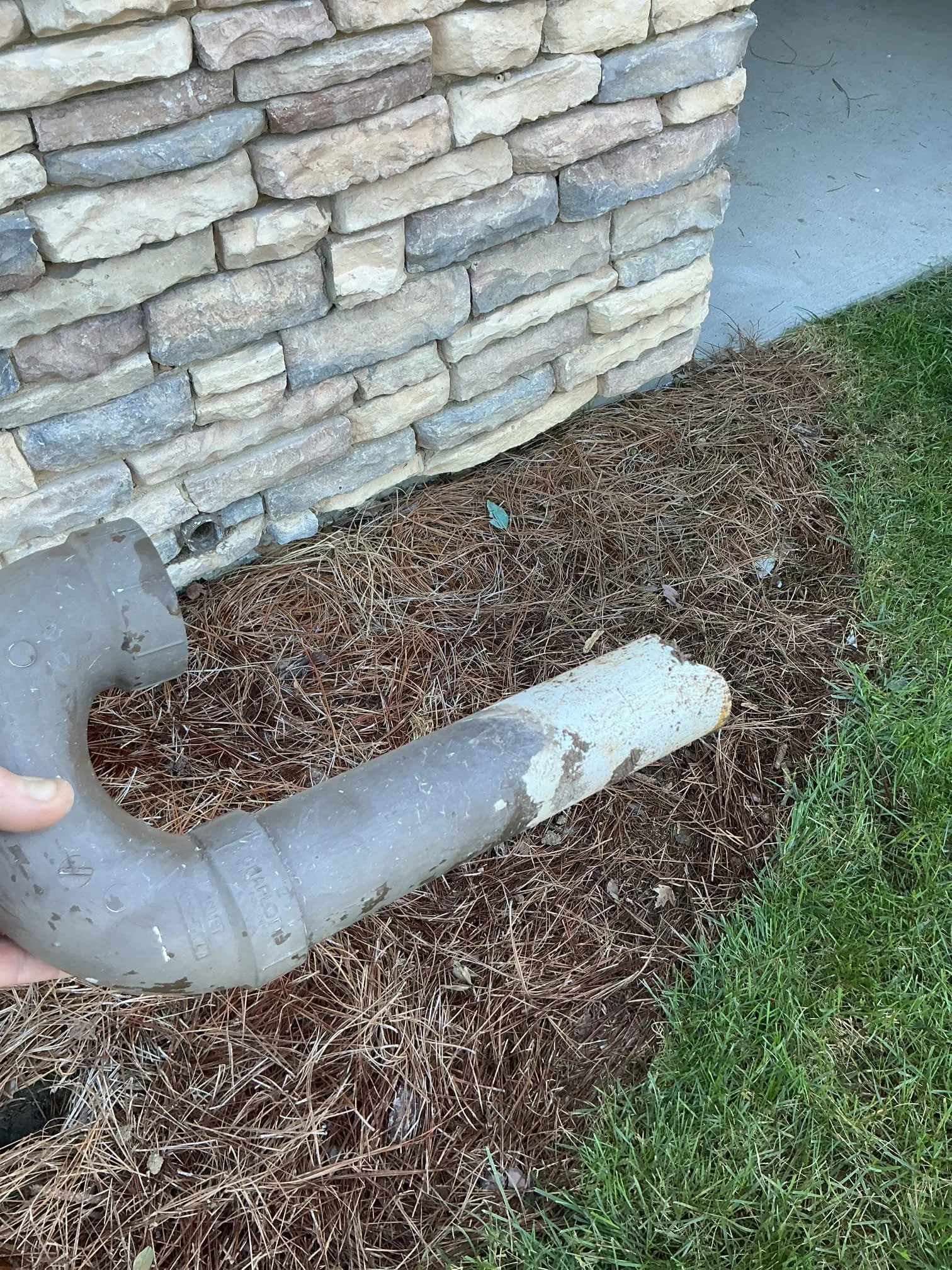
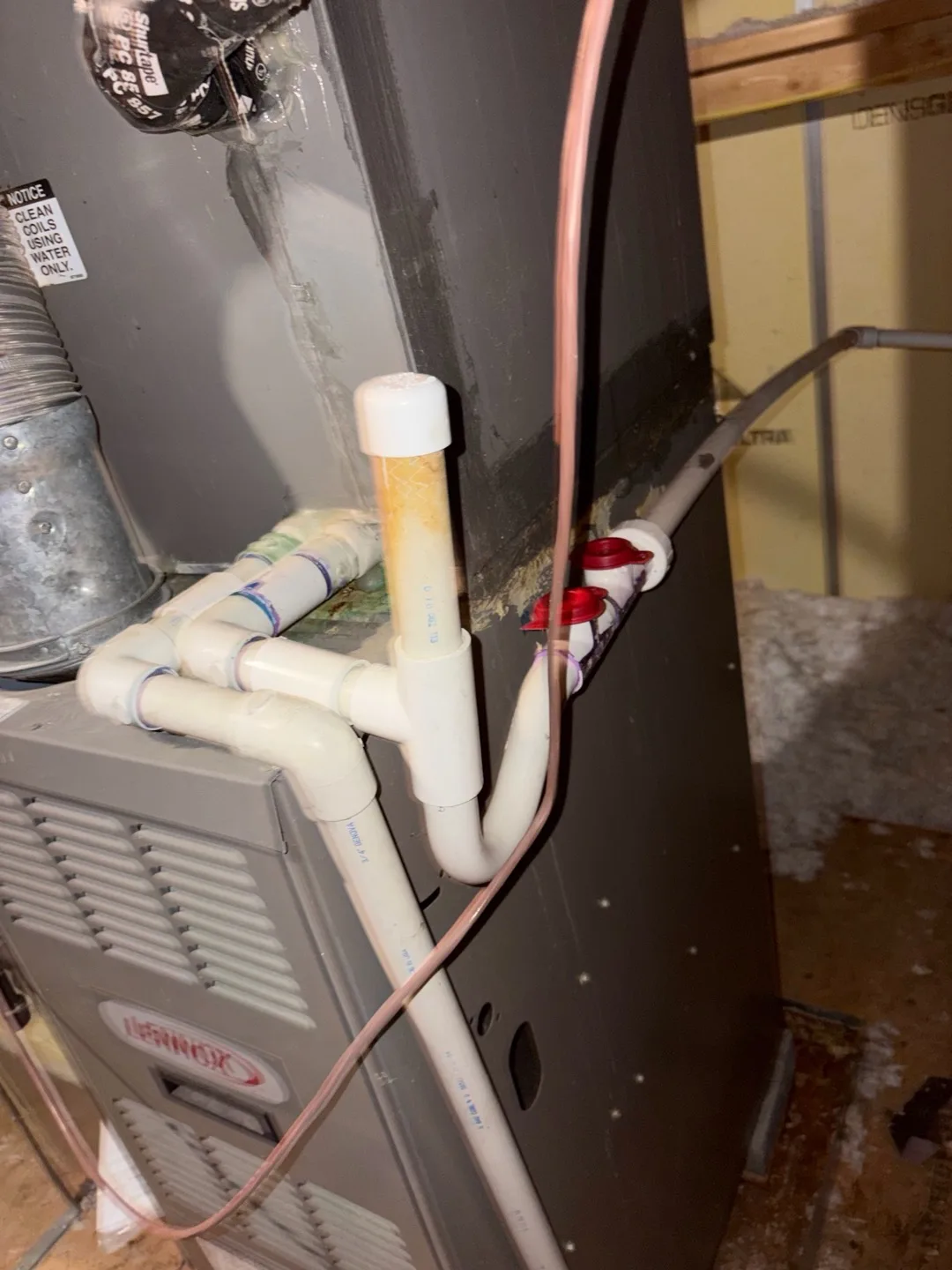
Your drain keeps clogging because something deeper than a surface blockage is going on, and that's when drain cleaning needs to go past a quick fix. A one-time clog is normal. A drain that backs up every few weeks usually points to a buildup pattern, a pipe problem, or root intrusion in your sewer line. Until you fix the actual cause, you're just poking a temporary hole through the same problem.
Let's break down what's really happening inside your pipes.
Grease and Soap Buildup
This is the most common reason kitchen drains slow down. Grease doesn't wash away. It cools, hardens, and sticks to the inside of your pipes. Every time you run hot water with dish soap, a thin layer coats the pipe walls. Over months, that layer narrows the pipe opening until water barely trickles through. Chemical drain cleaners can dissolve a small channel through the buildup, but they don't remove it. The clog comes back within weeks.
Hair and Soap Scum
Bathroom drains catch hair every single day. That hair tangles around the drain crossbars, collects soap residue, and forms a dense mat that sits just below the drain cover. A drain snake can pull out the immediate blockage, but if your pop-up stopper or drain assembly is corroded, hair catches faster than before.
Tree Root Intrusion
This is a big one for Triangle-area homeowners. Apex, Cary, and Raleigh neighborhoods have plenty of mature oaks and pines, and their roots spread wide looking for moisture. The joints in your underground sewer line are an easy target. Roots work their way into pipe connections, then grow inside the line. They catch debris, create blockages, and eventually crack the pipe itself. Clay soil can make this worse: it expands and contracts with moisture, shifting pipes and opening joints that roots exploit.
Corroded Cast-Iron Pipes
Older neighborhoods in Cary and Raleigh, especially homes built before 1980, often have cast-iron drain lines. These pipes corrode from the inside out. The interior surface becomes rough and pitted, catching grease, hair, and debris that would slide right through smooth PVC. If your home has cast-iron drains and you're dealing with frequent clogs, the pipe itself may be the problem.
Bellied or Misaligned Pipes
When underground pipes settle or shift, a low spot forms in the line. That low spot collects water and waste, creating a permanent soft blockage. Snaking clears it temporarily, but gravity keeps sending debris right back to that same low point.
How We Clear Drains, and Why Method Matters
Not every clog gets the same treatment. Our techs match the method to the problem.
A drain snake (also called a cable machine) is the go-to for most household clogs. It physically breaks through blockages and pulls debris out. For kitchen sinks, bathroom drains, and tub drains, this handles most stoppages.
For main sewer lines, we use a larger motorized cable that can cut through roots and heavy buildup. If we suspect root intrusion or a pipe issue, we follow up with a camera inspection: a small waterproof camera that travels through the pipe and shows us exactly what's going on. No guessing.
Hydro jetting uses high-pressure water to scour the inside of the pipe, clearing grease, scale, and root fragments off the pipe walls along with the clog. It's the go-to for chronic clogs and pipes with heavy root activity.
DIY vs. Calling a Pro
Here's a simple rule of thumb. If a plunger or a hand-crank drain snake clears the clog and it doesn't come back for months, you handled it. No shame in that.
Call a professional when:
- The same drain clogs more than twice in 60 days
- Multiple drains slow down at the same time (that's a main line issue)
- Water backs up into a tub or shower when you flush a toilet
- You notice gurgling sounds from drains you're not using
- There's a sewage smell coming from any drain
These symptoms point to problems deeper in your system that a plunger can't reach. And store-bought chemical drain cleaners? Skip them. They contain caustic chemicals that eat away at pipe walls, especially in older cast-iron lines. They create more long-term damage than they solve.
A drain visit starts with our $49 service call and diagnostic for new customers, so you find out what's actually causing repeated clogs before spending money on the wrong fix. For a main line or a clog that keeps coming back, our techs can run a camera through your line, identify the root cause, and walk you through options. Same-day service is available for active backups.
Keeping Drains Clear Long-Term
Once we've cleared the line and identified the cause, a few habits make a real difference.
In the kitchen: wipe greasy pans with a paper towel before washing. Keep grease out of the disposal entirely, and run cold water when you use it so food scraps flush through.
In bathrooms: use a mesh drain cover to catch hair. They're cheap and they save you drain calls.
For your main sewer line: if you have mature trees near the line, ask us whether a preventive sewer cleaning once a year makes sense. Cutting roots back on a schedule keeps them from building up to a full blockage.
And if your home has original cast-iron drains that keep causing problems, ask us about pipe lining or replacement options. Modern PVC doesn't corrode the way old iron pipe does. It's a bigger investment upfront, but it ends the cycle of calling for drain service every few months.