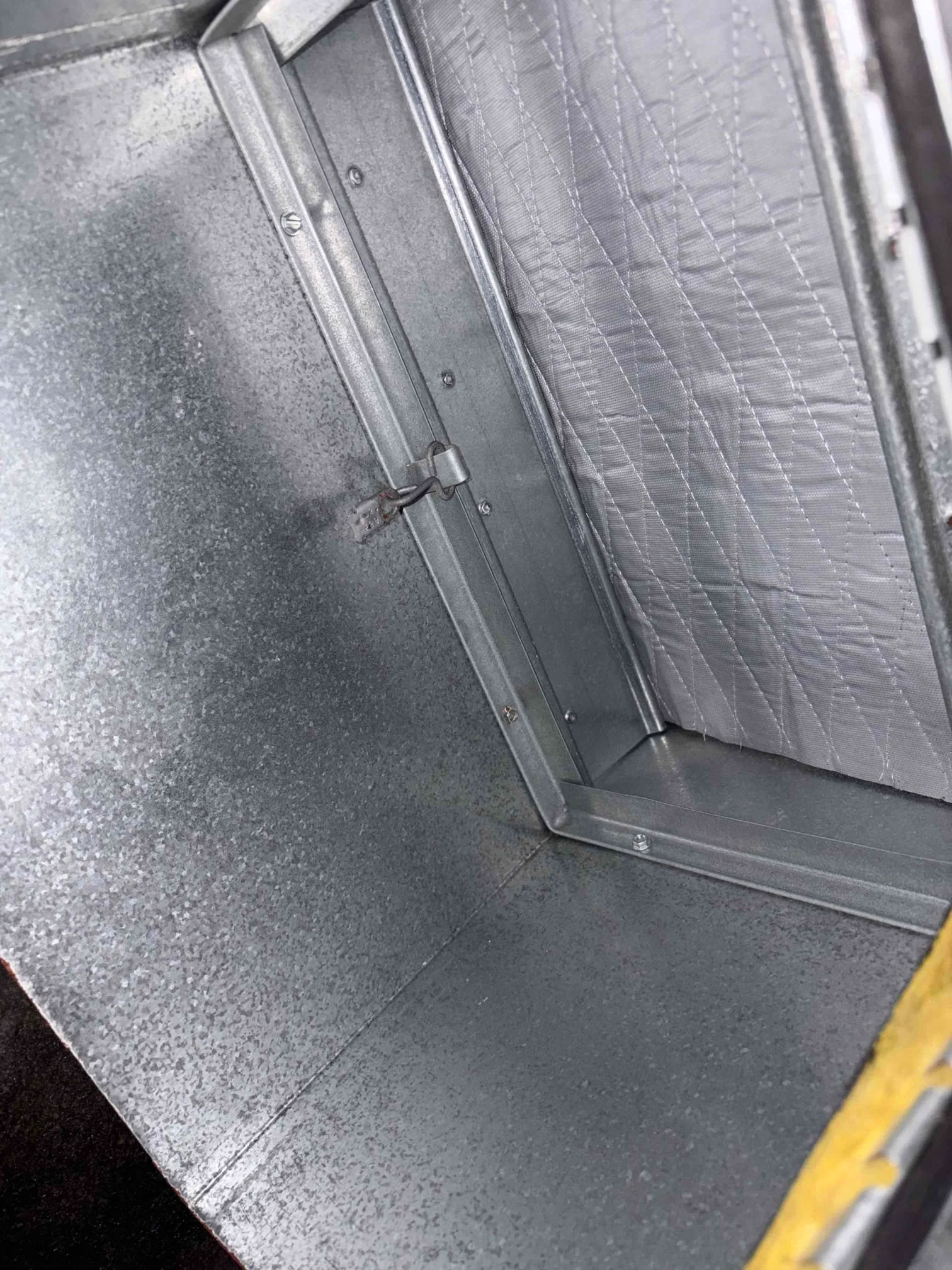
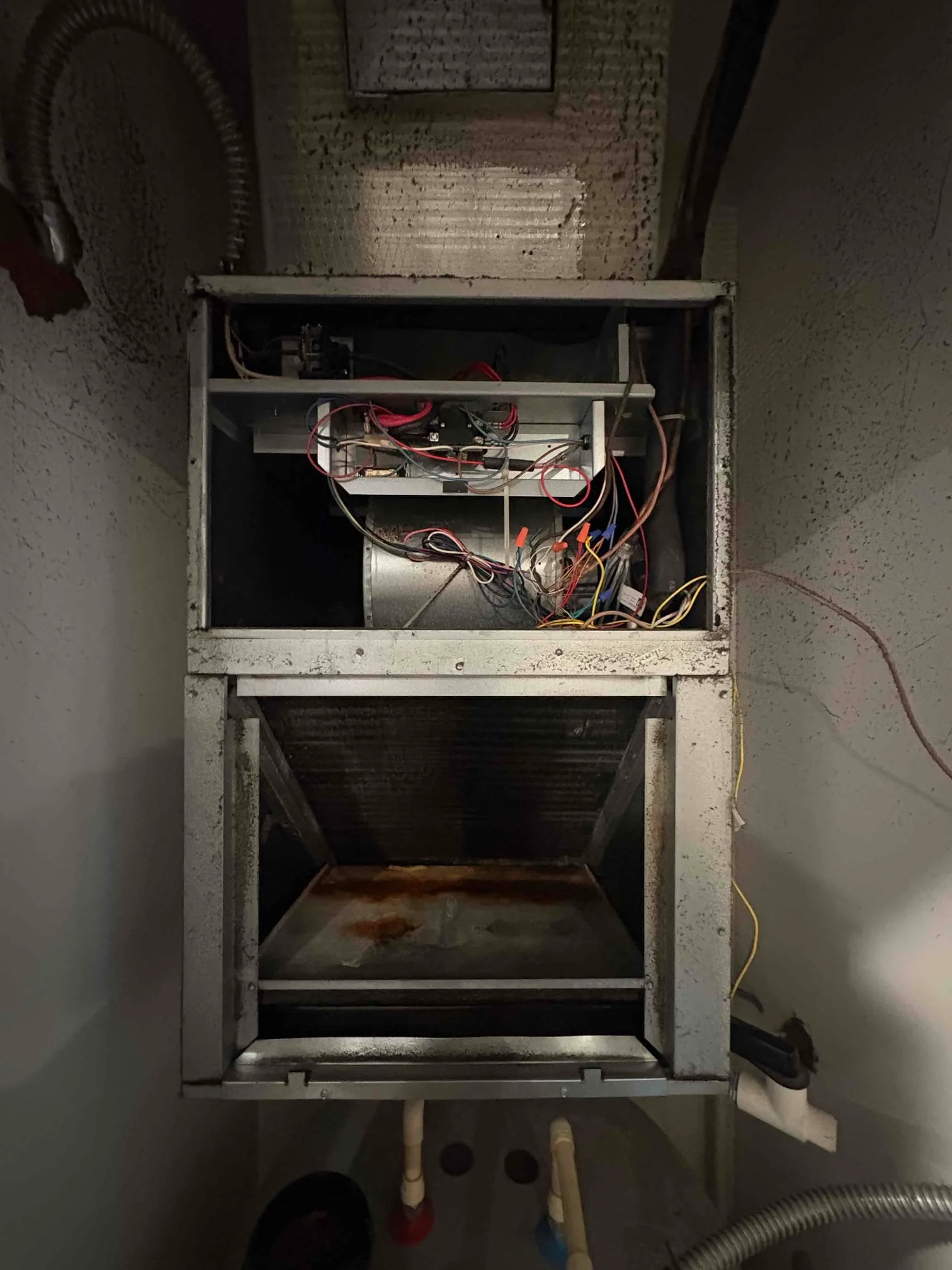
A frozen evaporator coil isn't usually a catastrophic emergency, but it is urgent, and it's one of the most common reasons for evaporator coil service. Your AC will not cool your home while the coil is frozen, and letting it run in that condition can damage the compressor, which turns a $200-$800 coil repair into a $2,000-$4,000 compressor replacement. If you see ice on the indoor unit or the refrigerant line, turn the cooling off and call for service.
Frozen coils are a common summer AC call in Apex and Cary, and the Triangle's long, humid cooling season keeps coils working hard.
What Causes a Coil to Freeze
The evaporator coil sits inside your air handler and absorbs heat from the air blowing across it. When something disrupts that process, the coil drops below freezing and ice starts building up. There are a handful of common causes, and they range from simple fixes to more serious repairs.
Restricted airflow is the most frequent culprit. A dirty filter, closed vents, or a failing blower motor reduces the amount of warm air passing over the coil. Without enough warm air, the coil gets too cold. We see this constantly: a homeowner forgets to change the filter for six months, and the system freezes up in July. Checking and replacing your filter every 30 to 90 days goes a long way toward preventing this.
Low refrigerant is the second most common cause. When refrigerant levels drop (almost always due to a leak), the pressure in the coil drops too, and the coil temperature falls below freezing. This is a professional repair: the leak has to be found and fixed before recharging, or the problem comes right back.
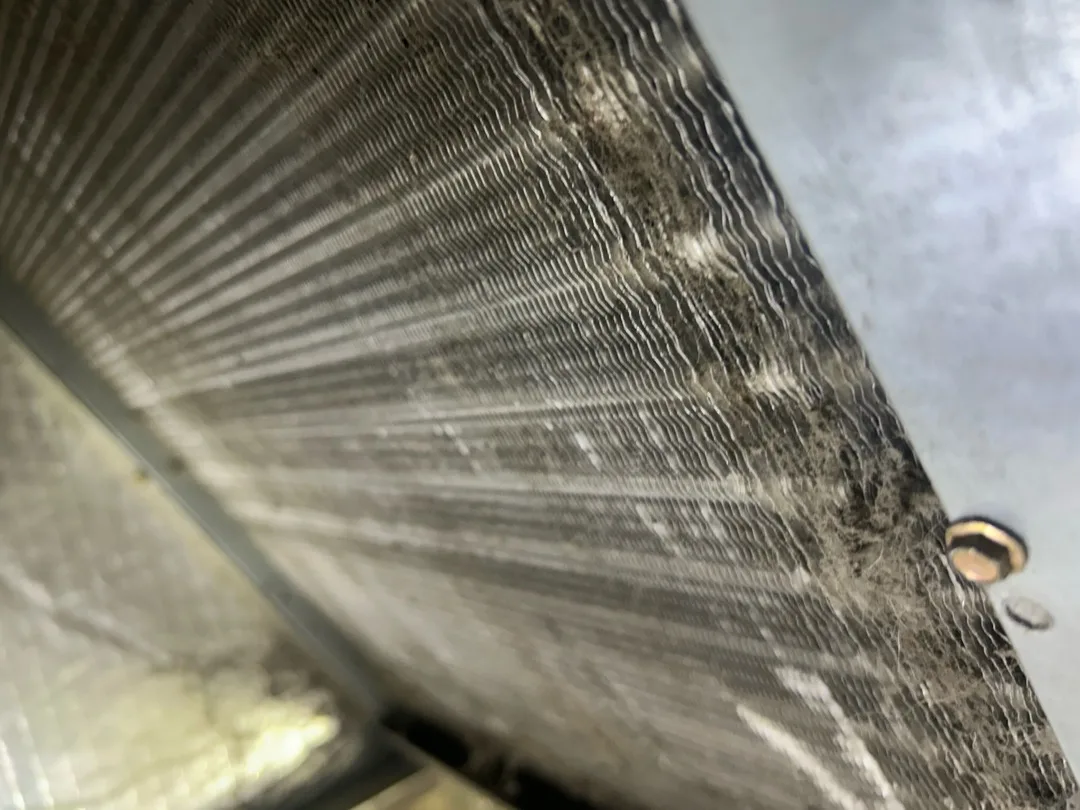
A dirty coil itself can cause freezing. Dust, pollen, and grime accumulate on the coil surface over time, creating an insulating layer that keeps heat from the air from reaching the coil. Triangle homes deal with this faster than homes in many other regions because our combination of humidity, pollen, and long cooling seasons means the coil processes more dirty, moist air per year.
A malfunctioning blower motor or fan that's running at reduced speed creates the same effect as a clogged filter. Less air across the coil, more ice formation.
A faulty expansion valve or a restricted metering device can starve the coil of refrigerant, dropping its temperature below freezing.
What to Do When You Find a Frozen Coil
Step one: turn off the AC at the thermostat. Let the fan run by switching from "auto" to "on". This pushes warm air across the coil to help it thaw.
Step two: check your air filter. If it's clogged, replace it. In a lot of frozen coil calls, the filter was the entire problem.
Step three: wait one to three hours for the coil to fully thaw. Don't chip ice off the coil. The fins are fragile aluminum and bend easily, which creates more airflow problems.
Step four: once the ice is gone, turn the AC back on and monitor it. If it freezes again within 24 hours, you have a refrigerant or mechanical issue that needs professional diagnosis.
When to Call a Tech
If the coil refreezes after you've replaced the filter and given it time to thaw, something else is wrong. Our $49 diagnostic for new customers covers a full inspection of the coil, refrigerant levels, airflow measurements, and blower motor performance. We identify the root cause and fix it the same day in most cases.
Call right away if you see water damage around the air handler. A frozen coil that thaws can overwhelm the drain pan and condensate line, sending water into your ceiling, walls, or floor. In Triangle homes with attic-mounted air handlers, this can cause significant drywall damage before you even notice the leak.
Coil Cleaning and Maintenance
An annual cleaning prevents many coil-related problems. During a tune-up, our techs inspect the evaporator coil for dirt buildup, check the fin condition, clean the coil surface with an approved solution, and verify proper airflow. In the Triangle's environment where humidity and pollen combine to create faster buildup, annual cleaning is especially important.
If the coil is heavily soiled and a surface cleaning won't restore performance, we can do a deep chemical cleaning. Where the coil has corroded, developed pinhole leaks, or been physically damaged, replacement is the better path. We'll show you what we find and let you make the call.
Coil Replacement
Evaporator coils do eventually wear out. Corrosion from years of condensation, chemical exposure from cleaning products, or leaks from manufacturing defects all shorten a coil's life. Replacement involves recovering the refrigerant, removing the old coil from the air handler, installing a matched replacement, evacuating and recharging the system, and testing it.
The coil has to match your outdoor condenser unit in capacity and refrigerant type. Mismatched coils cause efficiency losses and can void manufacturer warranties. Our techs verify compatibility before ordering parts.
Element Service Group serves the Triangle area with same-day coil inspections and repairs. We're veteran-owned, we've earned over 900 five-star reviews, and our techs carry the common parts and refrigerant to handle most coil issues in a single visit.