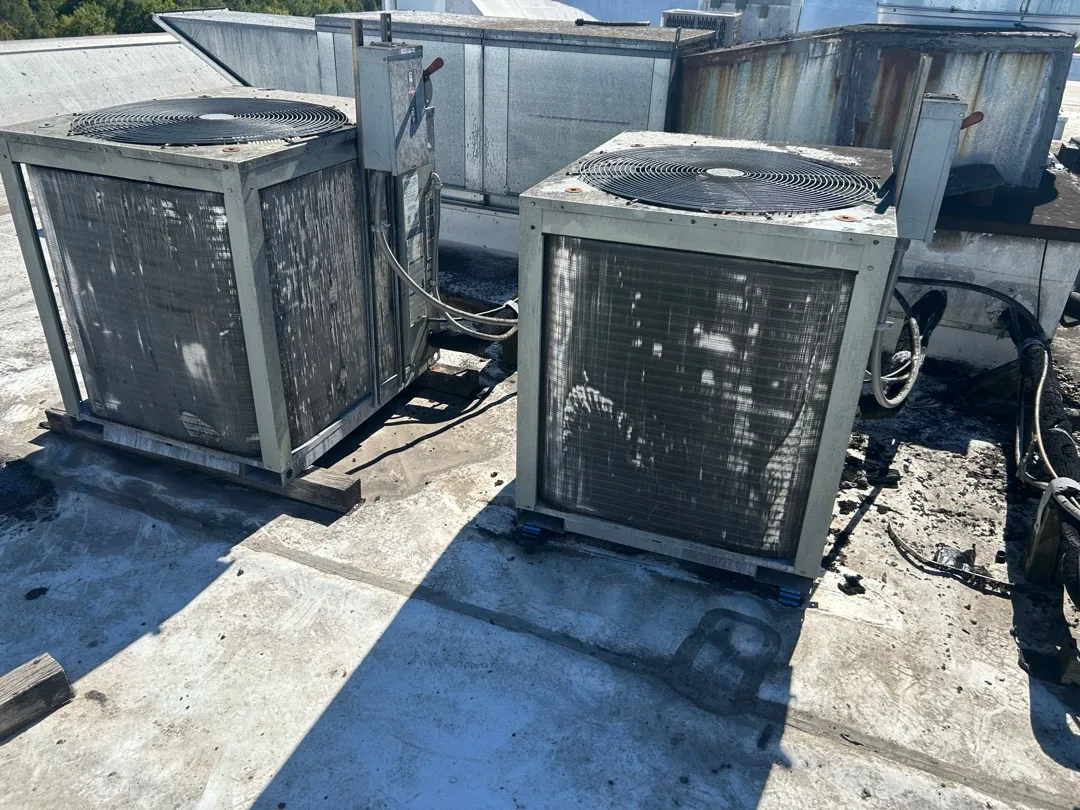
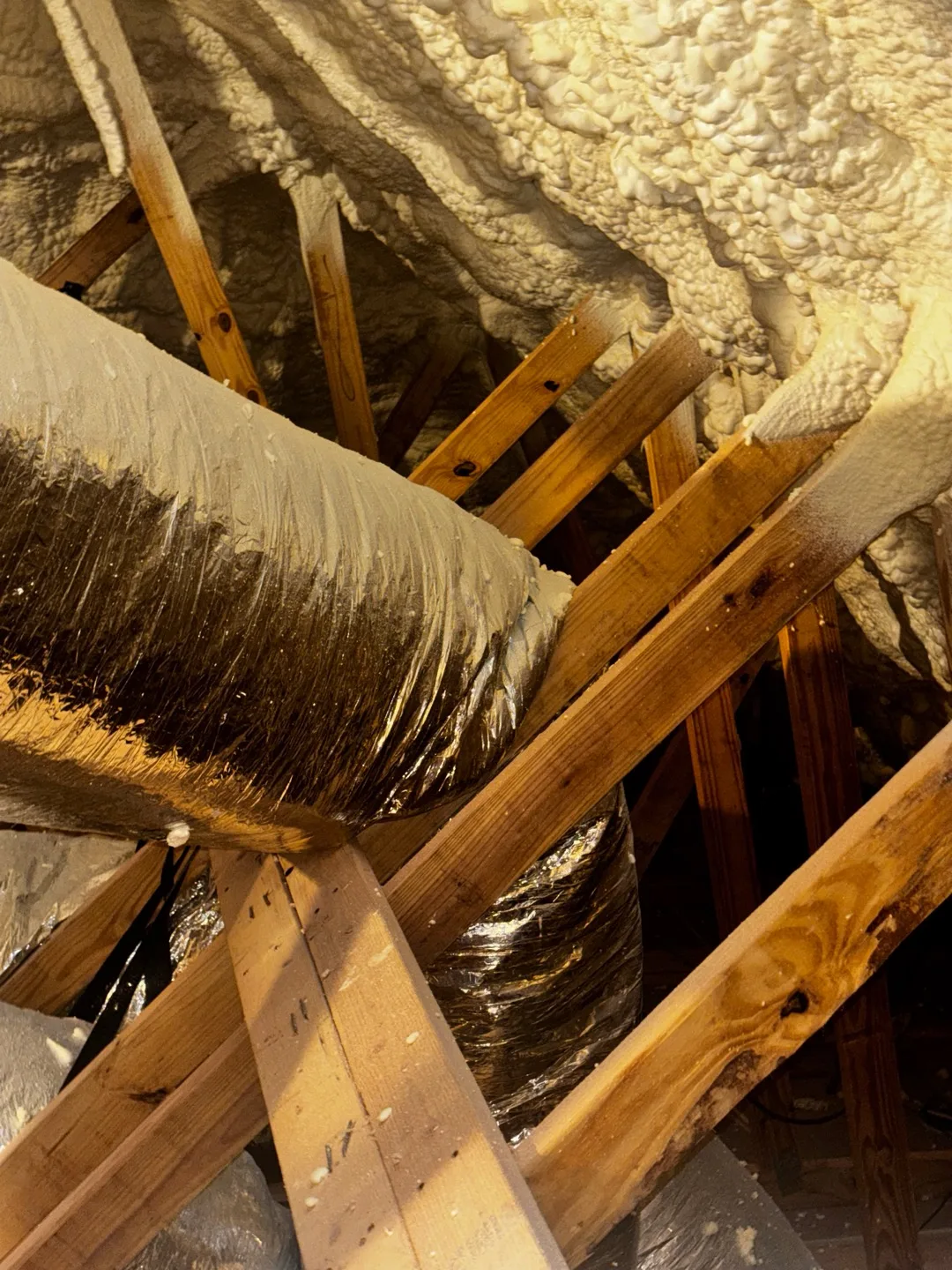
An HVAC system inspection checks five core areas of your system: electrical integrity, refrigerant levels and condition, airflow adequacy, combustion safety (gas systems), and overall mechanical wear. It goes deeper than a tune-up because the goal is a complete assessment of what shape your system is in, what's working properly, and what isn't.
1. Electrical System
The electrical inspection covers:
- Voltage and amperage at the disconnect and the unit
- Compressor amp draw compared to the manufacturer's rated load amps (RLA). If the compressor is drawing significantly above RLA, it's working too hard and heading toward failure.
- Contactor condition: checking for pitting, arcing marks, and proper engagement. A failing contactor can weld shut and keep your system running nonstop, or pit open and prevent it from starting.
- Capacitor testing: measured in microfarads against the rated value. Capacitors lose capacity over time. Once one drifts outside its rated tolerance, the motor or compressor it supports has to work harder to start.
- Wiring inspection: looking for heat damage, rodent chewing (more common than you'd think in Triangle crawl spaces and attics), corroded connections, and improper splices.
- Control board check: verifying the board sends and receives signals correctly and shows no burn marks or swollen components.
2. Refrigerant System
Refrigerant moves the heat. Too much or too little and the system runs poorly.
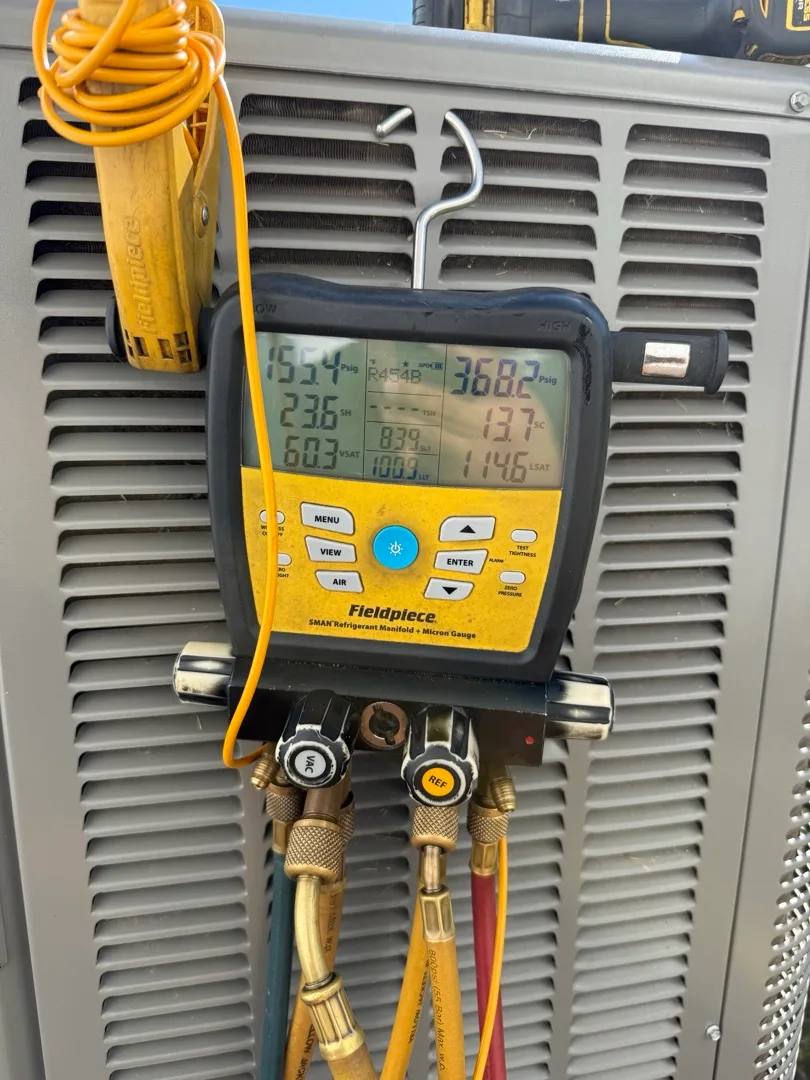
- Suction and discharge pressure measurements compared to manufacturer specs at current ambient conditions
- Superheat and subcooling calculations: these two numbers tell us whether the refrigerant charge is correct and the metering device is functioning. Pressures alone don't give the full picture.
- Refrigerant line inspection: looking for oil stains at joints that indicate slow leaks
- Service valve condition: checking for leaks at the Schrader cores where gauges attach
- Compressor operational check: listening for mechanical noise, checking oil level where visible, and verifying the compressor cycles on and off properly
For older R-22 (Freon) systems, we'll note the refrigerant and discuss replacement timing, since new R-22 is no longer made.
3. Airflow Assessment
Poor airflow is behind a lot of HVAC problems. Our airflow check includes:
- Static pressure measurement: this is the resistance your blower motor is pushing against. High static pressure means restricted airflow, usually from dirty filters, undersized ductwork, or closed dampers. We measure at the supply and return plenums and compare to manufacturer specs.
- Temperature split measurement: the difference between return air temperature and supply air temperature. For cooling, this should be 15-20°F. For heating, 30-60°F depending on system type. Outside these ranges, something is wrong.
- Vent-by-vent check in occupied rooms to confirm air is reaching all areas of the home
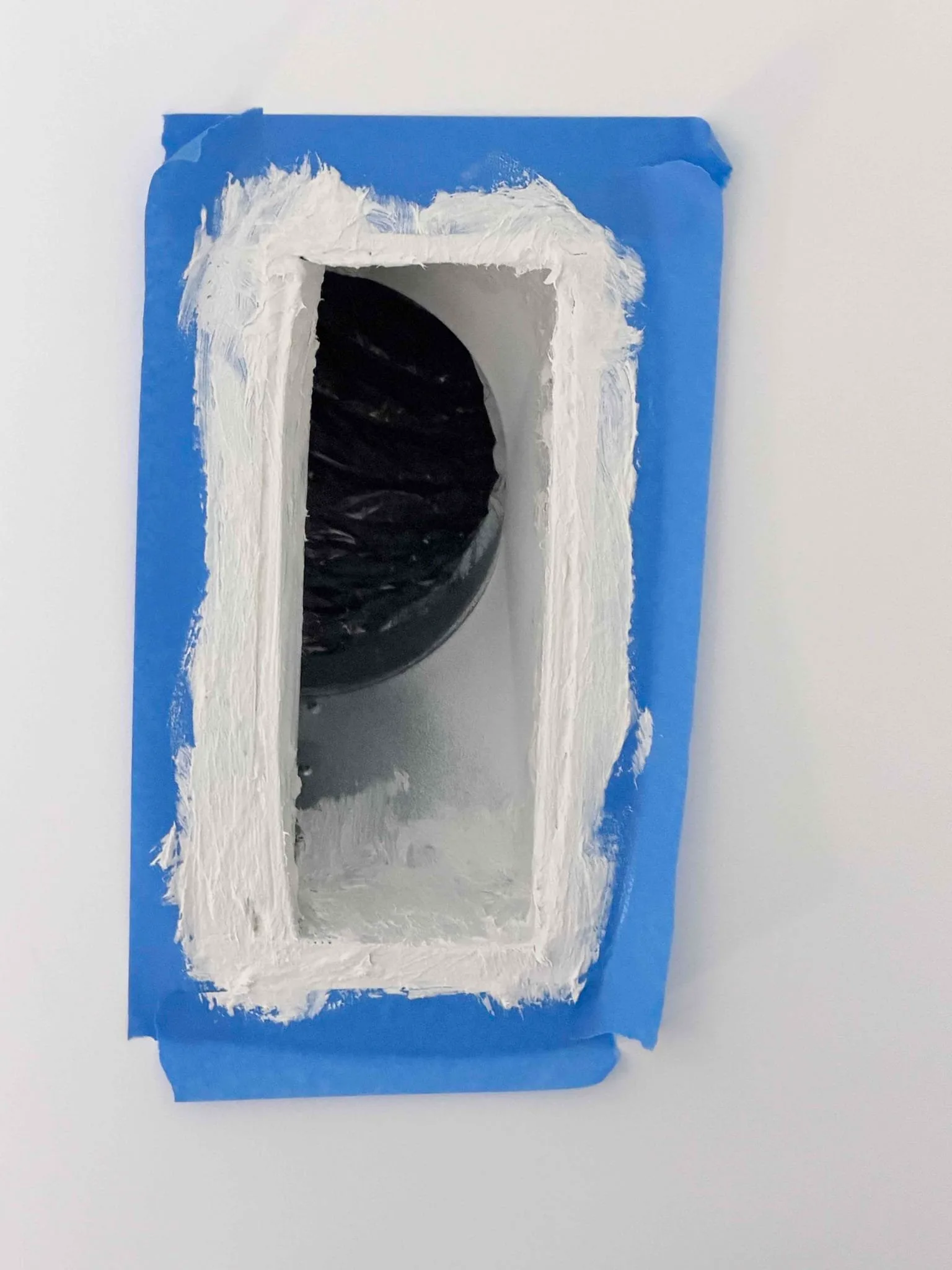
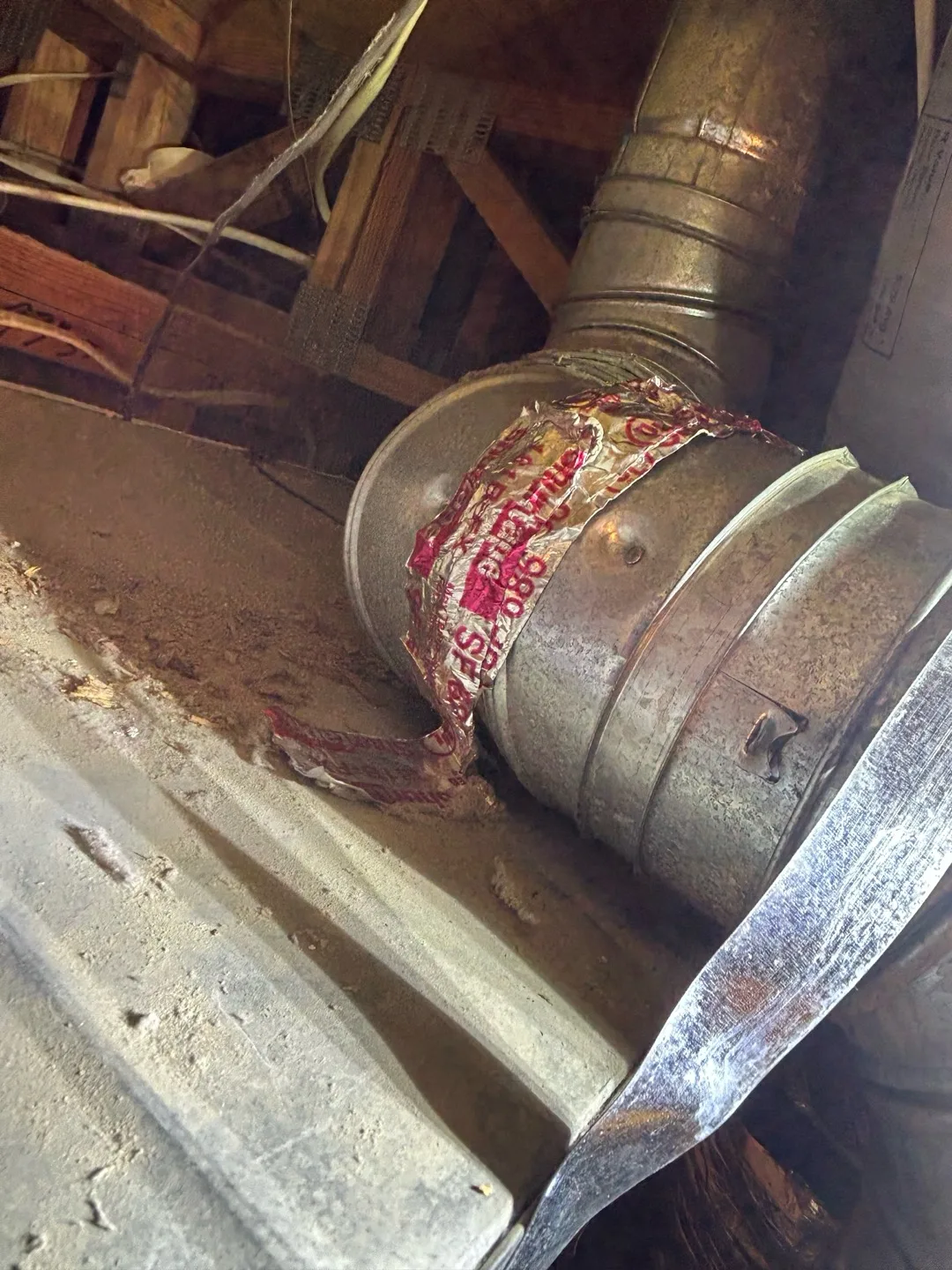
- Ductwork visual inspection where accessible: looking for disconnected joints, crushed flex duct, and missing insulation. Attic ductwork takes a beating from heat, humidity, and animals.
- Filter slot inspection: confirming the filter fits properly with no bypass gaps
4. Combustion Safety (Gas Systems)
For any system that burns fuel (gas furnaces, gas boilers, and gas water heaters tied into the HVAC system):
- Combustion analysis using a digital analyzer: measuring CO (carbon monoxide), CO2, O2 levels, and stack temperature in the flue gas
- Heat exchanger inspection: visual and, where possible, camera inspection for cracks, rust, or separation at seams. A cracked heat exchanger is the most serious finding in any HVAC inspection because it allows combustion gases to enter your home's breathing air.
- Gas pressure at the meter and at the manifold
- Burner flame pattern: should be steady blue with minimal yellow tipping
- Venting integrity: proper pitch on flue pipes, secure connections, no gaps or corrosion, adequate clearance from combustibles per NC code
5. Mechanical Wear Assessment
This is where our tech evaluates how much life your system has left and what's likely to need attention next:
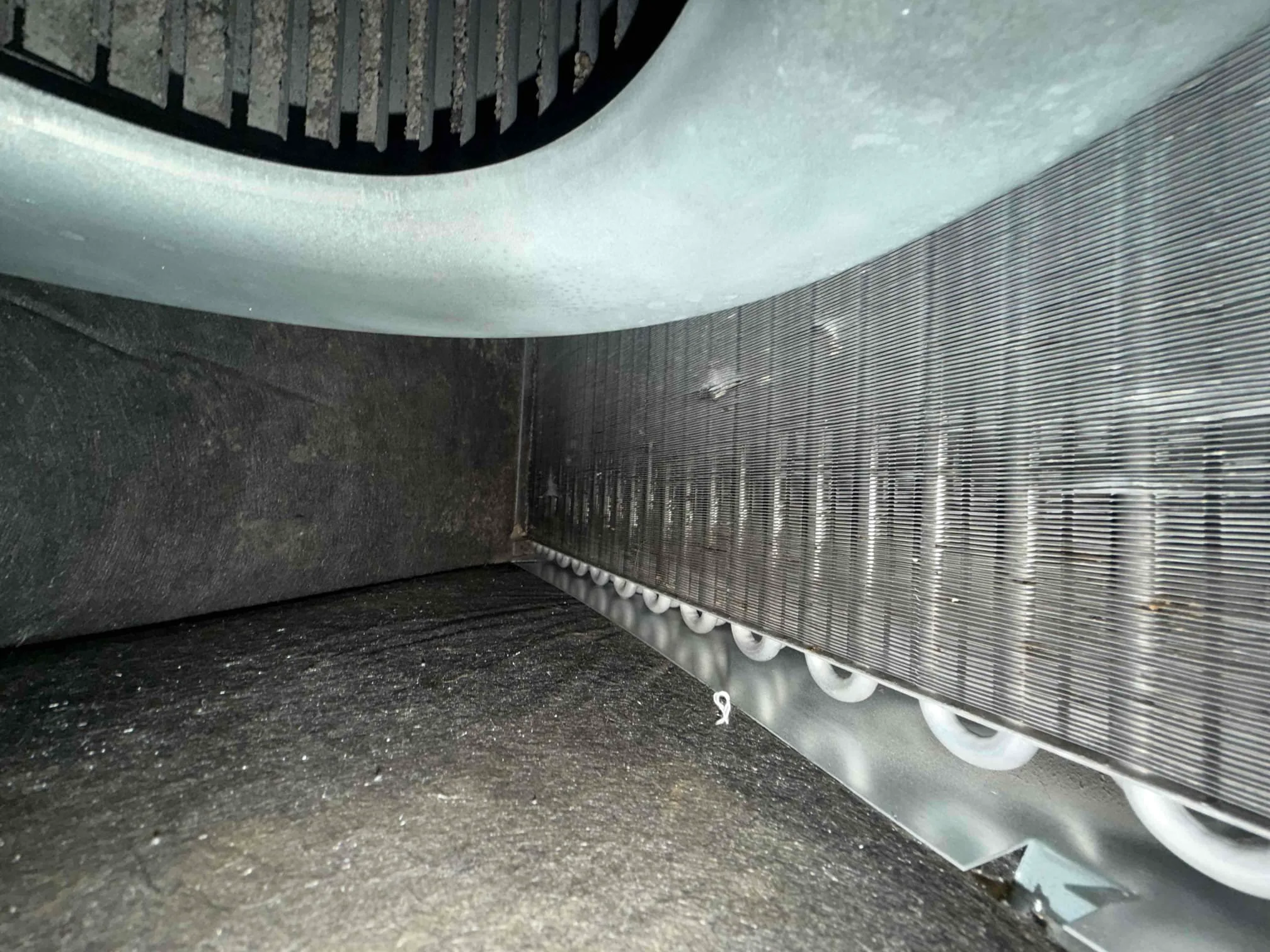
- Blower wheel balance and cleanliness
- Motor bearing condition (listening for noise, feeling for play)
- Belt condition and tension on older belt-drive systems
- Compressor operational sound: grinding, knocking, or excessive vibration
- Reversing valve operation on heat pumps
- Defrost board function on heat pumps
- Drain pan and condensate system condition
- Cabinet and housing integrity
When You Need an HVAC Inspection
Beyond annual maintenance, there are specific situations where a full inspection makes sense:
Home purchase or sale. Buyers want to know the age, condition, and remaining life of the HVAC system, and sellers benefit from a report showing it's in good working order. Our report gives specific findings, not "satisfactory" checkboxes.
After purchasing a home. General home inspectors are not HVAC specialists. They check basic operation: does it turn on, does it cool, does it heat. They typically don't measure refrigerant charge, static pressure, combustion gases, or amp draws. A post-purchase HVAC inspection from a licensed specialist gives you a real baseline of what you bought.
Before the warranty expires. If your system is approaching the end of its manufacturer warranty, an inspection can catch failing components while they're still covered. A compressor that's drawing high amps might be covered under warranty today and cost $2,000 out of pocket next year.
Our System Inspection Pricing
Our full system inspection covers refrigerant, airflow, safety, and mechanical assessment, everything described above. We provide a written report of findings and clear recommendations.
- First unit: $350
- Each additional unit: $300
We serve Apex, Cary, Raleigh, Durham, Holly Springs, and Fuquay-Varina with same-day availability most days.